Comprehending Employment Legislation: Defending Your Interests in the Professional Setting
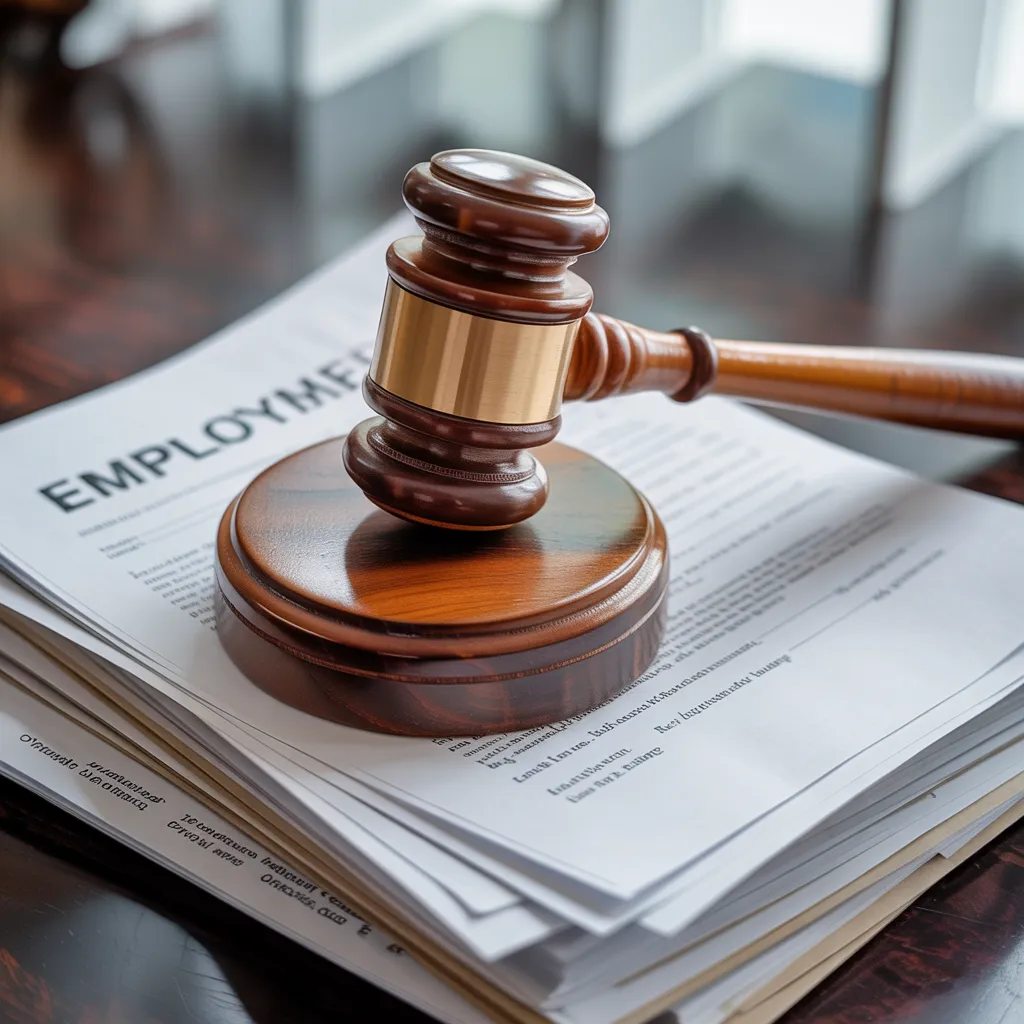
Employment law is an crucial structure that outlines the connection between companies and workers. It sets forth important protections and obligations, ensuring equitable conduct in various aspects of work life. Understanding these laws can empower people to advocate for themselves. However, many stay unaware of their rights and the safeguards available to them. This understanding is significant, especially when confronting occupational difficulties that could impact their careers and welfare. What particular rights should every worker know?
Learning About Labor Regulations and Its Significance
Employment law encompasses a wide range of laws and rules that regulate the connection between companies and workers. These regulations are designed to create fair practices in the work environment, ensuring that both sides comprehend their obligations and entitlements. Employment law includes various aspects such as recruitment, wages, occupational health and safety, bias, and dismissal processes. Its significance lies in fostering a balanced work environment, safeguarding employees from unfair treatment, and offering a framework for resolving disputes.
Moreover, compliance with employment law helps organizations mitigate legal risks and establishes a culture of respect and equality. By following these regulations, employers can enhance employee morale and retention, ultimately benefiting their bottom line. Understanding employment law is essential for both employers and employees, as it empowers them to manage workplace dynamics effectively, ensuring a harmonious and productive environment.
Fundamental Employee Rights in the Workplace
Within the realm of employment law, understanding key employee rights is important for establishing a just workplace. Employees deserve equitable wages, defense against discrimination, and a healthy working environment. These safeguards not only support equity but also enhance overall job contentment and efficiency.
Access To Just Wages
Fair compensation are a core expectation for workers in any workplace, demonstrating the value of their contributions and work. The right to fair wages includes not only the statutory wage requirements but also fair pay for similar work, ensuring that workers receive compensation commensurate with their abilities and duties. This right is safeguarded by multiple labor laws and regulations, which require prompt compensation and prohibit wage theft. Additionally, workers are entitled to receive overtime pay for hours spent beyond the standard workweek, protecting against abusive practices. Advocacy for fair compensation get started also includes addressing inequalities based on job classifications and ensuring that all employees are paid fairly, irrespective of their history or role. Understanding these entitlements is crucial for fostering a just work setting.
Defense From Discrimination
Workplace rights critically include the protection against discrimination, ensuring all employees are treated impartially regardless of characteristics such as race, gender, age, or disability. These protections are enforced through multiple laws, including the Civil Rights Act and the Americans with Disabilities Act, which ban discriminatory behaviors in hiring, promotions, and terminations. Employers are obliged to support an welcoming environment, ensuring employees do not face harassment or retaliation when asserting their rights. Employees who feel they have been discriminated against have means to seek recourse, including filing complaints with the Equal Employment Opportunity Commission (EEOC). Knowing these rights is essential for employees to advocate effectively for themselves and foster a just workplace culture.
Safe Workplace Setting
As employees handle their work, the claim to safe working conditions remains crucial in maintaining their health and productivity. Employers are compelled to provide a environment without dangers that could cause accident or ailment. This entails maintaining equipment, applying correct safety procedures, and providing necessary education. Employees should be aware of their rights to alert unsafe circumstances without risk of punishment. Regulatory bodies, like the Occupational Safety and Health Administration (OSHA), hold a key role in enforcing these standards and safeguarding workers. By fostering a culture of safety, organizations can raise staff morale and productivity, thus benefiting the whole workplace. Being knowledgeable about these rights empowers employees to advocate for their safety.
Combating Professional Discrimination and Harassment
Workplace mistreatment and unfair treatment pose significant challenges for organizations, affecting worker morale and output. These concerns can stem from various factors, such as race, gender, age, disability, or sexual orientation. Employees facing mistreatment often experience emotional distress, leading to decreased job satisfaction and increased turnover rates. Harassment, whether physical or verbal, produces an unwelcoming workplace that undermines team cohesion and collaboration.
Organizations must cultivate a environment of inclusivity and respect to combat discrimination and harassment successfully. This involves establishing clear guidelines, offering instruction, and encouraging transparent dialogue. Employees should feel empowered to report incidents without concern about repercussions, ensuring that their concerns are treated with importance. Additionally, timely and suitable intervention is critical in addressing complaints to show a commitment to a secure and fair workplace. By prioritizing these measures, organizations can improve their reputation and establish an more productive workplace for all employees.
What Responsibilities Must Employers Legally Bound to Perform?
Employers have a legal duty to maintain a safe and just work environment for every employee. This duty involves making sure that occupational health and safety rules are followed, which stipulate the availability of necessary safety gear and training. Additionally, employers must comply with anti-discrimination laws that forbid unfair treatment due to race, gender, age, disability, or other protected traits.
Additionally, they are required to create protocols for reporting and addressing employee complaints, encompassing harassment and retaliation. Supplying reasonable accommodations for employees with disabilities is another legal obligation, guaranteeing that all individuals can perform their tasks effectively.
Additionally, companies must maintain precise documentation of worker time and compensation, encouraging transparency and accountability in the work environment. By meeting these statutory obligations, companies not only protect their workers' protections but also foster a constructive and efficient company environment. Compliance with these obligations is vital for preserving employee satisfaction and avoiding legal consequences.
Grasping Earnings Guidelines
Grasping wage laws is essential for both employers and workers to guarantee fair compensation methods. This includes understanding of minimum wage requirements, overtime pay rules, and protections against wage theft. A thorough understanding of these laws can help prevent disagreements and promote a more equitable workplace.
Minimum Wage Mandates
As the landscape of labor laws undergoes transformation, minimum wage requirements are essential in providing fair compensation for workers. These rules set the lowest hourly wage that employers must pay, protecting employees from exploitation. Minimum wage laws differ by jurisdiction, with some states and cities implementing rates higher than the federal standard. This variation reflects local economic conditions and living costs, allowing regions to tailor compensation to their specific needs. Adherence with minimum wage laws is critical for employers, as violations can lead to legal consequences and financial penalties. Workers should be aware of their rights regarding minimum wage to push effectively for fair pay and confirm that their compensation aligns with legal standards.
Overtime Pay Requirements
Overtime pay regulations are a fundamental aspect of labor regulations, making certain that workers receive fair compensation for extra hours beyond the usual work hours. Generally, the Fair Labor Standards Act (FLSA) dictates that non-exempt employees are entitled to at least 1.5 times their standard hourly pay for any hours exceeding 40 in a seven-day period. Employers are charged with accurately tracking hours worked and assessing overtime pay accordingly. Certain employees, such as those in executive, administrative, or expert roles, may be classified exempt and therefore excluded from overtime. Being aware of these rules is essential for both employees and employers to adhere and defend employee rights, fostering a fair and equitable workplace environment.
Wage Misappropriation Protections
Wage wage violations, including unpaid wages, unauthorized deductions, and the misclassification of employees, causes substantial issues for workers seeking fair pay. To counter this problem, different wage theft safeguards have been set up. Federal and state legislation dictates that employers pay minimum wage and follow overtime regulations. Employees should keep thorough records of their hours worked and wages received, since this documentation may be important in disputes. Additionally, workers can file complaints with labor departments or seek legal counsel if they believe their rights have been violated. There are organizations that promote wage theft awareness, which empowers employees to detect and confront unfair workplace practices effectively.
Steps to Perform If You Undergo Transgressions
When workers believe their rights have been violated, it is crucial to take specific steps to resolve the situation effectively. First, they should document the details of the incident, including dates, times, and any relevant communications. This information acts as vital proof. Next, employees should review their company's guidelines and employee handbook to understand their rights and the procedures for reporting violations.
After assembling facts, staff members might want to talk about the concern with their manager or HR team, as many firms support internal resolution. If the situation stays unresolved, consulting a lawyer focusing on employment law may be required to investigate legal choices. Employees can also submit a formal claim with relevant government bodies, such as the Equal Employment Opportunity Commission (EEOC). Taking swift action is essential, as there are often filing deadlines for submitting complaints. Each action performed can significantly affect the conclusion and remedies offered available.
Common Asked Questions
How Do I Locate an Reputable Labor Counsel?
To select a qualified employment lawyer, one should collect suggestions from trustworthy sources, analyze online reviews, confirm through state bar resources, and reserve meetings to determine skills and compatibility with distinct legal needs.
What Actions Can I Implement if I Observe Work Misconduct?
If a person witnesses employee wrongdoing, they should carefully record the occurrence, submit a report to a manager or human resources, and comply with company protocols. Seeking counsel from a dependable coworker or legal professional could also be beneficial.
Are there filing deadlines for filing an employment claim?
Yes, there are deadlines for filing employment claims, often referred to as statutes of limitations. These time limits vary by jurisdiction and claim type, so it's important to consult legal guidelines quickly after an incident.
What Variations Exist in Labor Regulations Across States?
Employment law varies significantly by state, illustrating variations in regulations regarding pay, discrimination, and job site safety. These variations can influence employee rights and business obligations, making it essential for workers to understand their applicable state laws.
Can I Get Fired for Talking About My Pay With Coworkers?
Throughout numerous regions, discussing salaries with fellow employees is protected by law, and terminating an employee for such conversations may be against the law. However, legal requirements vary by state, so persons should consult local laws for particular direction.